 delishing
How to Cook Acorn Squash: A Guide to Sweet and Savory Perfection

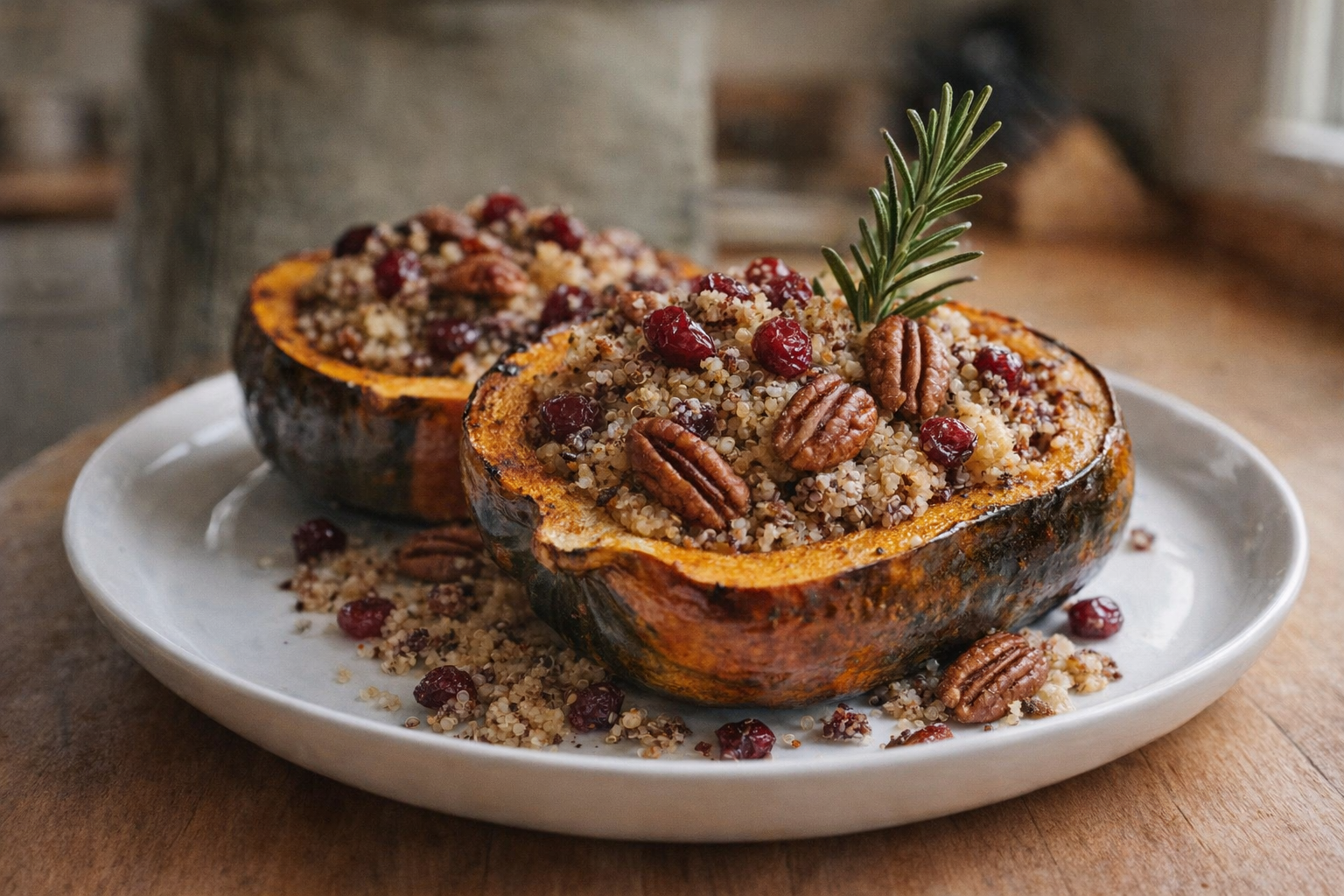
Acorn squash, with its distinctive ridged exterior and subtly sweet, nutty flavor, is a versatile ingredient that shines in both sweet and savory preparations. When cooked properly, the flesh transforms into a tender, yielding texture, ready to absorb a myriad of flavors. This guide provides a comprehensive approach to mastering acorn squash, regardless of your culinary experience.
Whether you're seeking a comforting side dish, a hearty vegetarian main course, or a unique addition to your fall and winter menus, mastering acorn squash unlocks a world of culinary possibilities. From baking to roasting, steaming to grilling, we'll explore various methods to bring out the best in this seasonal star, ensuring consistently delicious results.
Understanding Acorn Squash
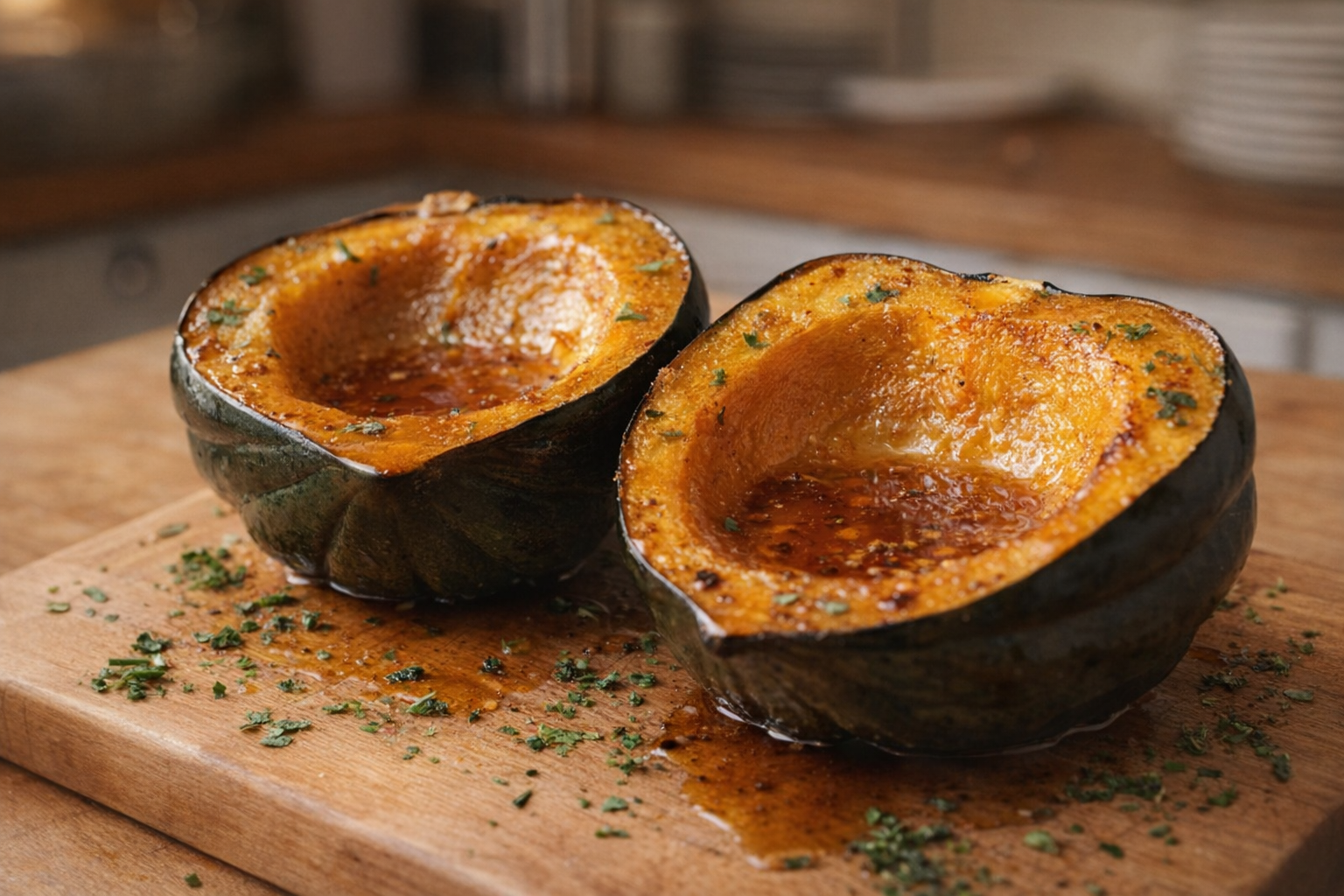
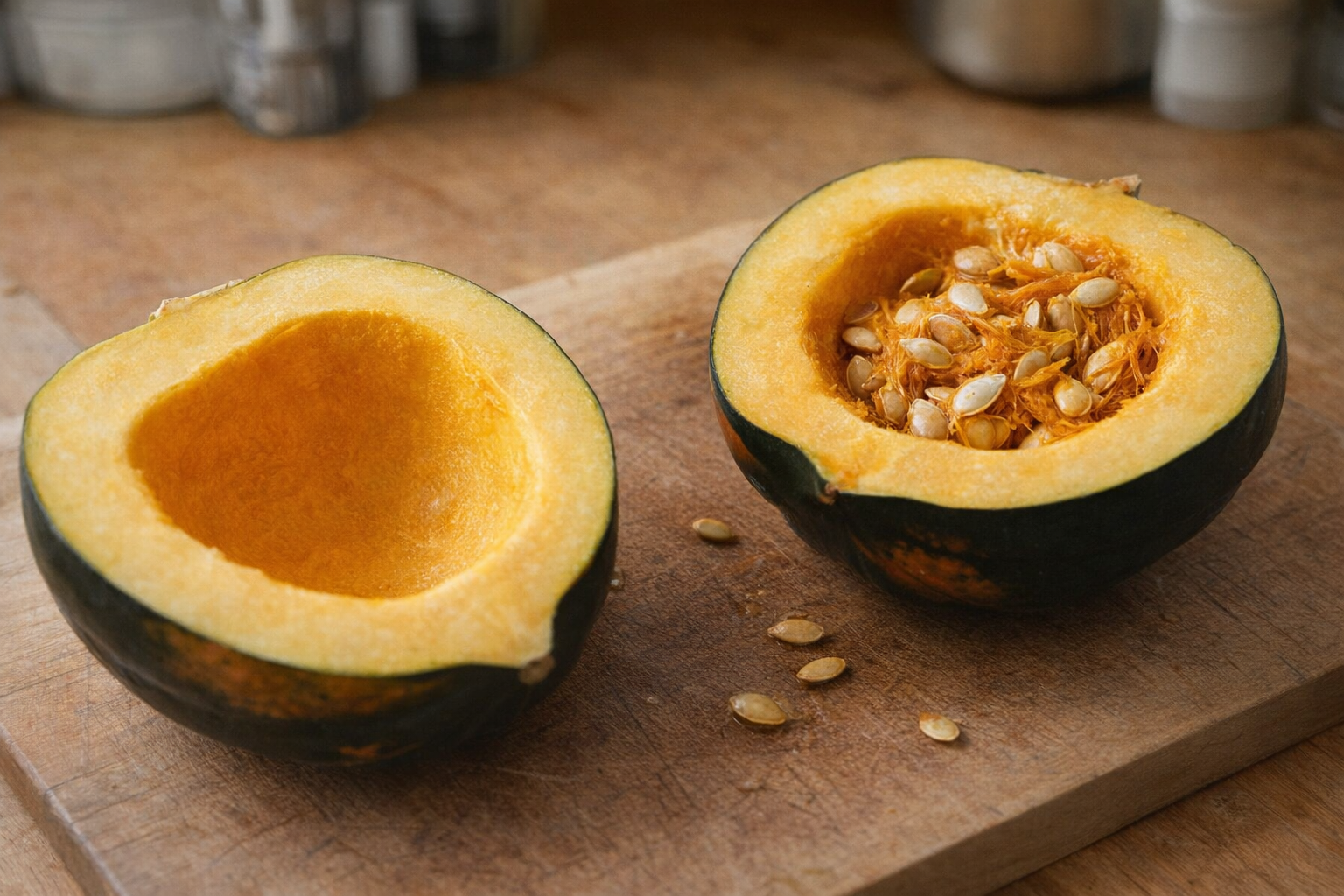
Acorn squash is a winter squash characterized by its acorn-like shape and dark green skin. While most are dark green, variations with patches of orange are also common. When selecting acorn squash, look for those that are heavy for their size, with a smooth, hard rind free of blemishes or soft spots. A small amount of orange coloring where it touched the ground is normal, but avoid squash that is predominantly yellow, as this indicates it may be overripe or improperly stored.
The flesh of a good acorn squash should be firm and dense, with a vibrant orange color. Smaller to medium-sized squash (1-2 pounds) are generally sweeter and more flavorful. Organic varieties often have a richer, more concentrated flavor.
Why Cook Acorn Squash This Way?
- Versatility: Acorn squash readily adapts to sweet or savory profiles, making it ideal for everything from simple side dishes to elaborate main courses.
- Flavor: Cooking brings out the natural sweetness and nutty undertones of the squash, enhancing its inherent flavors and creating a satisfying taste experience.
- Convenience: Acorn squash requires minimal prep work and can be cooked using various methods, making it a convenient option for busy weeknights or special occasions.
Preparation (Mise en Place)
Before cooking acorn squash, proper preparation is key. Start by thoroughly washing the exterior to remove any dirt or debris. Pat dry with a clean towel to ensure even cooking.
The squash's tough skin can be challenging to cut through. For easier handling, microwave the whole squash for 2-3 minutes to slightly soften the rind. Using a sharp, sturdy knife, carefully cut the squash in half from stem to base. A chef's knife or cleaver works best here. Once halved, scoop out the seeds and stringy pulp from the center using a spoon or ice cream scoop. These seeds can be roasted and enjoyed as a snack, similar to pumpkin seeds.
Essential Tools:
- Chef's Knife or Cleaver: For safely and efficiently cutting through the tough skin.
- Baking Sheet: Provides a stable surface for roasting or baking.
- Spoon or Ice Cream Scoop: For removing the seeds and pulp.
- Microwave Oven: Optional, for softening the squash before cutting.
The Cooking Method(s)
Acorn squash offers a variety of cooking methods, each yielding a slightly different texture and flavor profile. We'll focus on two popular methods: Roasting and Baking, providing detailed instructions and tips for achieving perfect results every time.
Roasting Acorn Squash
Roasting brings out the natural sweetness of the squash, caramelizing the edges and creating a delightful depth of flavor. This method is ideal for both sweet and savory preparations.
Ingredients:
- 1 medium acorn squash (about 1 1/2 - 2 lbs / 680-900g)
- 1-2 tablespoons olive oil
- 1 tablespoon butter, melted (optional)
- 1 teaspoon maple syrup (optional)
- 1/2 teaspoon salt, or to taste
- 1/4 teaspoon ground cinnamon (optional)
Instructions:
- Preheat the oven: Set your oven to 400°F (200°C) and line a baking sheet with parchment paper for easy cleanup. The parchment will prevent sticking and help with browning.
- Prepare the squash: Halve the squash, remove the seeds, and brush the cut surfaces with olive oil. For added richness, you can also brush with melted butter.
- Season: Sprinkle with salt, cinnamon (if using), and drizzle with maple syrup (if using). The salt enhances the natural sweetness, while cinnamon adds warmth and depth.
- Roast: Place the squash cut-side down on the prepared baking sheet. Roasting cut-side down helps to prevent the squash from drying out.
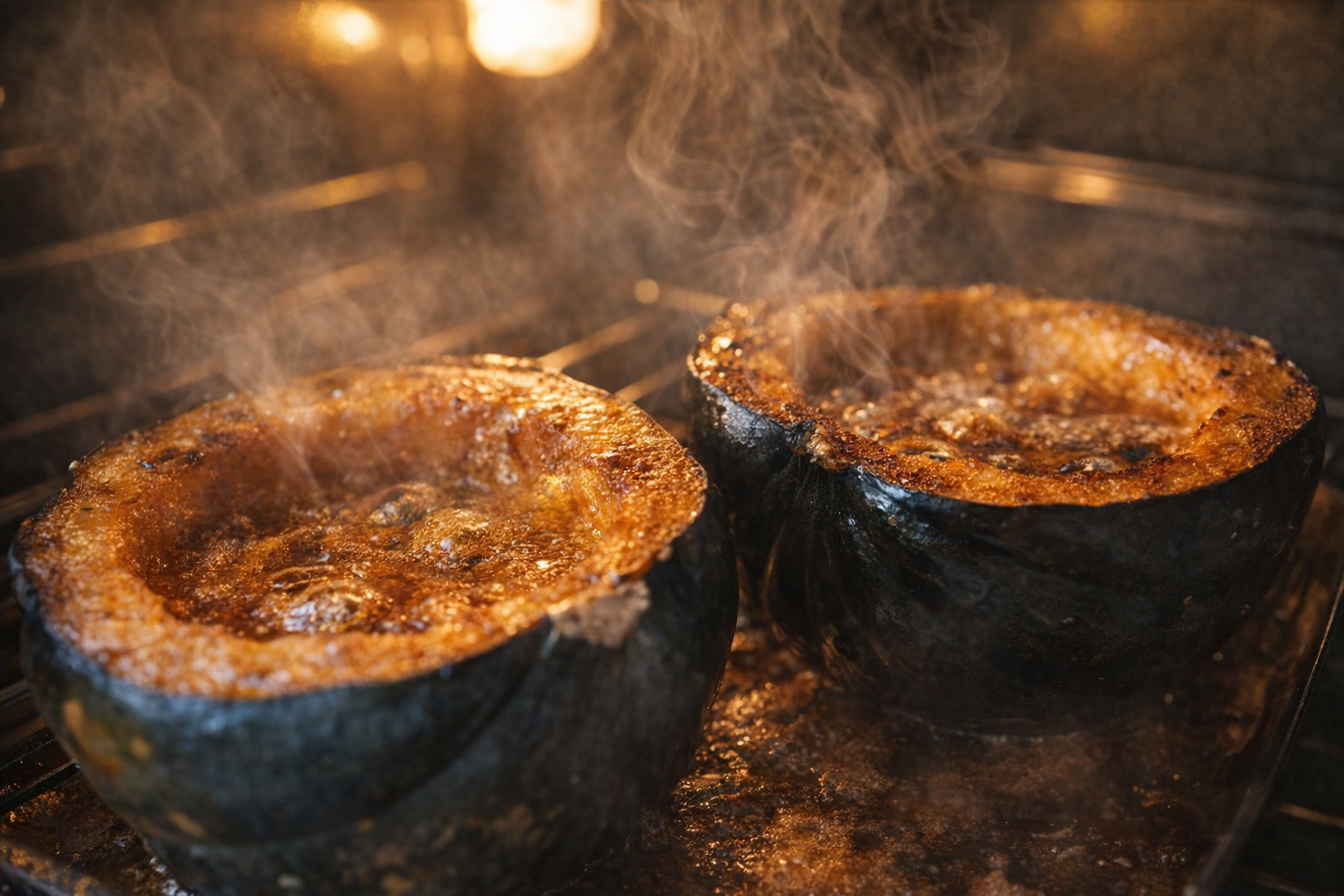
- Cook until tender: Roast for 40-60 minutes, or until the squash is easily pierced with a fork and the edges are caramelized. The aroma of roasting squash will fill your kitchen, a sign that it's almost ready.
- Serve: Let the squash cool slightly before serving.
Baking Acorn Squash
Baking is another effective method for cooking acorn squash, offering a slightly softer texture compared to roasting. This method is particularly well-suited for stuffing the squash with savory or sweet fillings.
Ingredients:
- 2 medium acorn squash (about 1-1/2 lbs / 680g each), halved and seeded
- 1/4 cup (57g) butter, diced
- 6 tablespoons (75g) brown sugar, firmly packed
- 1/2 teaspoon ground cinnamon
- 1/4 teaspoon salt
- 1/4 teaspoon black pepper (optional)
Instructions:
- Preheat the oven: Preheat your oven to 350°F (175°C).
- Prepare the squash: Place the acorn squash halves cut-side down in a shallow baking pan.
- Bake: Bake in the preheated oven for 30 minutes.
- Add seasonings: Remove the squash from the oven. Turn the squash cut-side up. Distribute the diced butter evenly among the squash cavities. Sprinkle brown sugar, cinnamon, salt, and pepper (if using) over the butter.
- Continue baking: Bake for an additional 20 minutes, or until the squash is tender.
- Serve: Remove from the oven and let cool slightly before serving.
Cooking Time & Doneness Guide:
- Roasting: 40-60 minutes at 400°F (200°C).
- Baking: 50 minutes (30 minutes at 350°F (175°C) + 20 minutes at 350°F (175°C) with seasonings).
Visual Cues:
The best way to determine if acorn squash is done is to pierce it with a fork. If the fork slides in easily with minimal resistance, the squash is ready. The flesh should also be tender and slightly translucent.
Tips for Perfection:
- Don't overcrowd the pan: Give the squash enough space to roast or bake evenly. Overcrowding can lead to steaming instead of browning.
- Season generously: Acorn squash can handle bold flavors. Don't be afraid to experiment with different spices and herbs.
- Adjust cooking time as needed: The exact cooking time will vary depending on the size and variety of the squash. Check for doneness regularly and adjust the time accordingly.
- Score the flesh: Before roasting or baking, score the flesh of the squash in a crosshatch pattern. This allows the heat to penetrate more evenly and helps the squash cook faster.
Storage & Reheating:
Leftover cooked acorn squash can be stored in an airtight container in the refrigerator for up to 3-4 days. To reheat, microwave in short intervals until warmed through, or bake in a preheated oven at 350°F (175°C) for 10-15 minutes.
Reheating can sometimes dry out the squash. To prevent this, add a small amount of water or broth to the container before reheating.
Serving Suggestions:
- As a side dish: Serve roasted or baked acorn squash as a simple side dish with roasted meats, poultry, or fish.
- Stuffed: Fill acorn squash halves with savory fillings like quinoa, sausage, or vegetables for a hearty and satisfying meal.
- In soups and stews: Add diced acorn squash to soups and stews for a touch of sweetness and richness.
- Puréed: Purée cooked acorn squash and use it as a base for sauces, dips, or desserts.
💡 Pro Tips
- Slice a small piece off the bottom of the squash to create a flat, stable surface before attempting to cut it in half.
- Roast the squash halves cut-side down initially to steam the flesh, then flip them over for the final ten minutes to brown the edges.
- Scoop out the seeds and fibrous pulp thoroughly with a metal spoon to ensure a smooth, clean surface for seasonings to adhere.
- Brush the flesh with melted butter or olive oil to prevent it from drying out during the high-heat roasting process.
- Use a fork to test for tenderness; the tines should easily pierce the thickest part of the squash when it is fully cooked.
Frequently Asked Questions
If microwaving for 2-3 minutes isn't enough, try microwaving it for another minute or two. Alternatively, you can poke several holes in the squash with a fork and then bake it at 350°F (175°C) for about 15-20 minutes to soften it before cutting.
While the flavor will be slightly different, butternut squash or delicata squash are good substitutes for acorn squash. Keep in mind that cooking times may vary slightly, so check for doneness a few minutes earlier than the recipe suggests.
Allow the cooked acorn squash to cool completely before storing it in an airtight container in the refrigerator. It will keep for 3-4 days. You can also freeze cooked acorn squash for longer storage; thaw it in the refrigerator overnight before using.
Acorn squash pairs well with savory flavors like sage, thyme, rosemary, and garlic. Try roasting it with olive oil, herbs, and a sprinkle of Parmesan cheese, or stuffing it with sausage and wild rice for a hearty meal.